





How to safely and effectively use a mini scuba diving tank?
Here’s a step-by-step guide on how to safely and effectively use a mini Scuba Diving Tank (also known as a pony bottle or emergency air supply):
1. Pre-Dive Preparation
Check Tank Condition:
Ensure the tank is fully charged (filled with compressed air or nitrox) and within its hydrostatic test date (usually every 5 years).
Inspect for dents, corrosion, or valve damage.
Attach the Regulator:
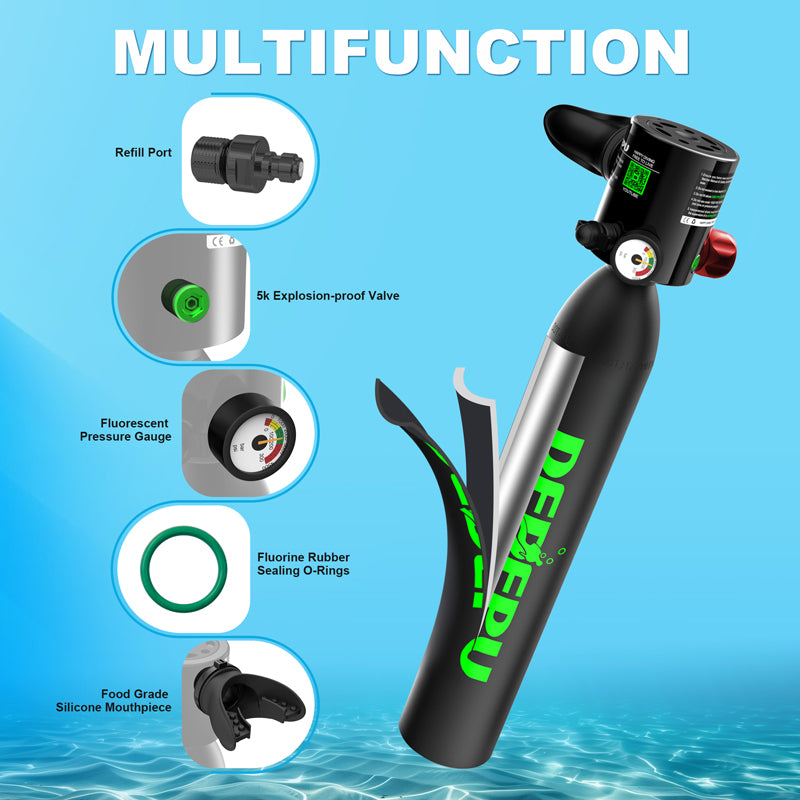
Securely screw the regulator onto the tank’s valve and ensure the O-ring is intact to prevent leaks.
Open the valve slightly to purge air through the regulator, checking for leaks (listen for hissing sounds).
2. Set Up Your Gear
Mount the Mini Tank:
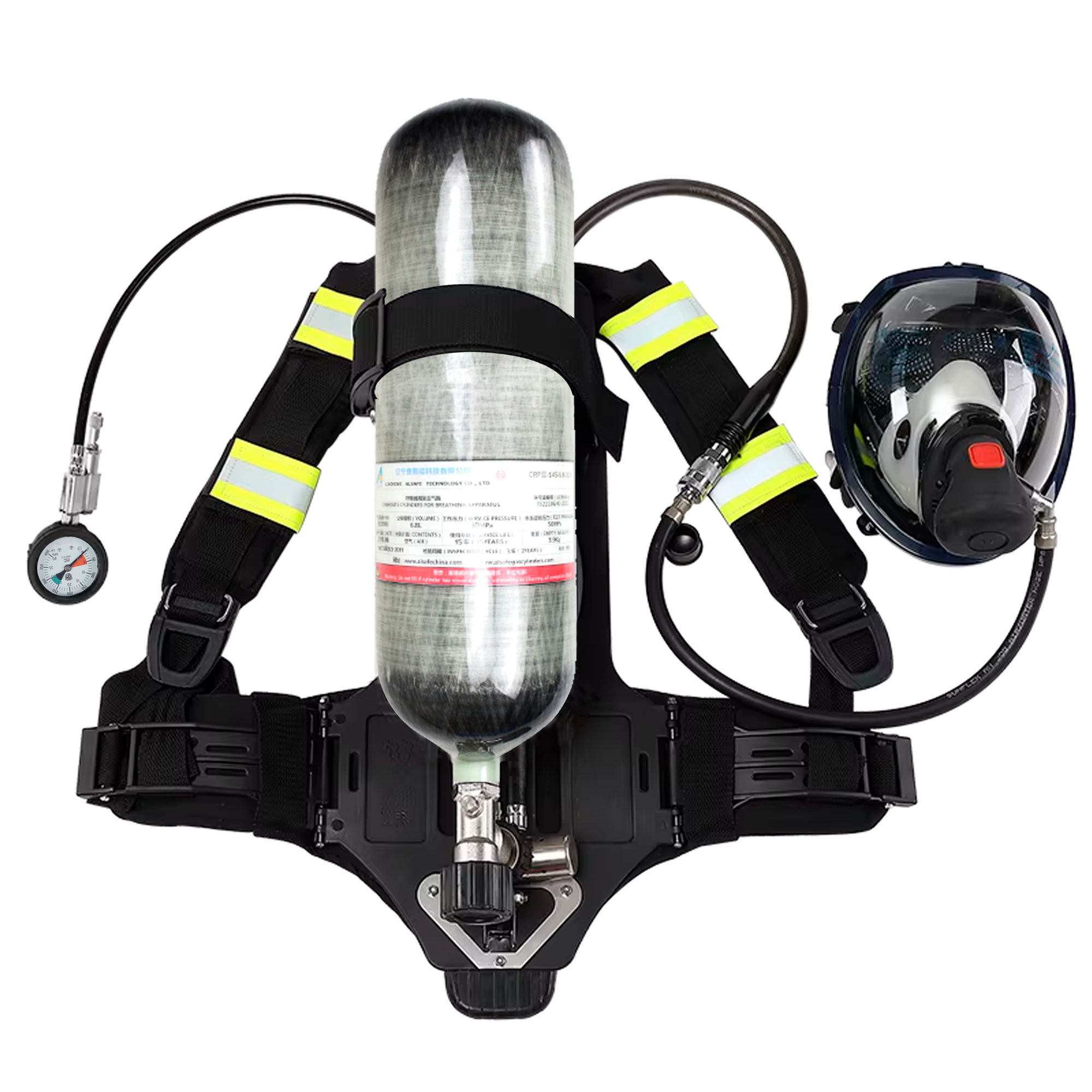
Clip the mini tank to your BCD (Buoyancy Control Device) or harness using a tank strap or carabiner. Position it for easy access (e.g., side-mounted).
Test Airflow:
Breathe through the regulator while the valve is fully open to confirm smooth airflow.
Check the pressure gauge to verify tank pressure (typically 13–50 cubic feet, depending on size).
3. During the Dive
Monitor Air Supply:
Mini tanks have limited air capacity (e.g., 3–6 minutes at 30 feet/10 meters for a 0.5L tank). Track your depth and time closely.
Use it as a backup air source for emergencies (e.g., primary regulator failure) or for short ascents.
Switch to the Mini Tank:
If needed, close your primary tank’s valve, switch to the mini tank’s regulator, and ascend slowly while exhaling continuously.
4. Post-Dive Care
Rinse Equipment:
Flush the regulator and tank valve with fresh water to remove salt/sand.
Store Properly:
Store the tank in a cool, dry place with the valve slightly open (to prevent moisture buildup).
Safety Tips
⚠Never Use Solo: Mini tanks are not for solo diving—always dive with a buddy and a primary air supply.
⚠Depth Limits: Avoid exceeding recreational depth limits (30–40 feet/9–12 meters) due to limited air capacity.
⚠Training: Complete a scuba certification course to learn proper emergency procedures and buoyancy control.
When to Use a Mini Tank
✓ Short recreational dives (snorkeling upgrades, underwater photography).
✓ Emergency backup during technical dives.
✓ Training drills for air-sharing scenarios.
For reliable mini scuba tanks and expert guidance, Shenzhen DeDePu Technology Co.,Ltd offers professional-grade equipment designed for safety and performance. Always prioritize training and adhere to dive safety protocols!