How to Choose the Best Snorkel Mask for Your Needs?
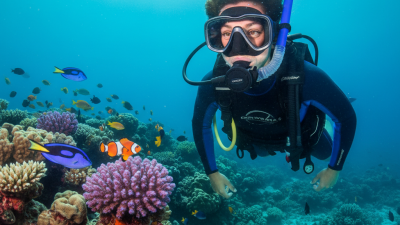
Choosing the right snorkel mask is crucial for an enjoyable underwater experience. A good mask enhances visibility and comfort while exploring marine life. Many options exist, and it can be overwhelming for beginners.
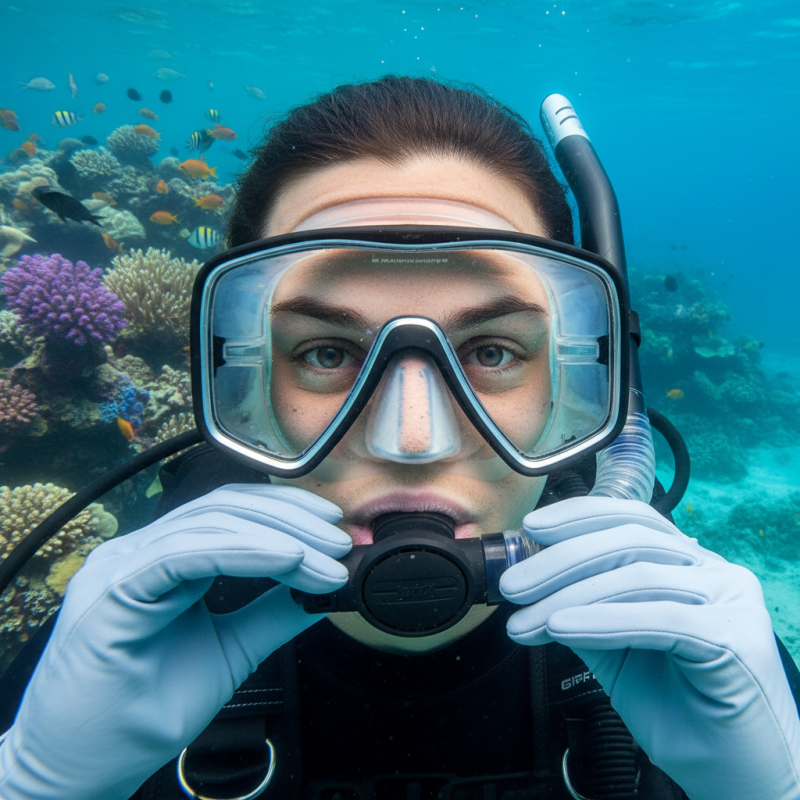
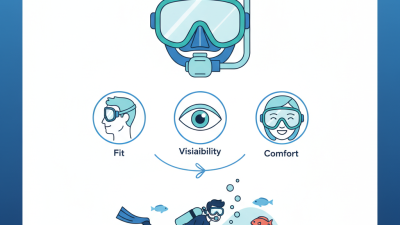
When selecting a snorkel mask, consider factors like fit, lens type, and material. A proper fit prevents leaks and discomfort, which can ruin your adventure. Additionally, a high-quality lens can improve clarity and reduce glare. Some masks even come with built-in cameras for capturing memories.
It's tempting to go for the cheapest option. However, investing in a reliable snorkel mask pays off in the long run. An inadequate mask can lead to frustration and missed opportunities to enjoy the ocean. Take the time to reflect on your needs and preferences before making a decision.
Understanding Different Types of Snorkel Masks Available on the Market
When selecting a snorkel mask, understanding the types available is crucial. There are three major categories: traditional, full-face, and prescription snorkel masks. Traditional masks typically have a separate snorkel. They provide a great field of vision but may require more effort to breathe. Full-face masks have gained popularity recently. They allow for natural breathing through the nose and mouth. However, they can be less effective for certain users, according to a 2022 marine equipment study.
Prescription masks cater to divers with vision issues. They can be made to specific optical needs. This ensures a clear view underwater. Studies show that nearly 30% of snorkelers could benefit from corrective lenses. Many might not know they have this option.
**Tip:** Always try on masks before buying. A proper fit prevents water leaks and enhances comfort.
Some masks are designed with purging valves. They help clear water easily. This can be useful for beginners, who may find it challenging to clear their masks. Regular users might prefer classic designs for their simplicity.
**Tip:** Research reviews and user experiences. Learning from others helps in choosing wisely.
How to Choose the Best Snorkel Mask for Your Needs?
| Mask Type |
Description |
Best For |
Price Range |
Features |
| Traditional Snorkel Mask |
A mask with separate snorkel, offering a classic snorkeling experience. |
Experienced snorkelers |
$30 - $80 |
Adjustable straps, anti-fog lenses |
| Full-Face Snorkel Mask |
Covers the whole face and allows for natural breathing. |
Beginners and families |
$40 - $120 |
Wide field of vision, no jaw fatigue |
| Prescription Snorkel Mask |
Customizable to accommodate vision correction needs. |
Individuals with vision impairments |
$60 - $150 |
Different prescription lenses, anti-fog |
| Kids Snorkel Mask |
Designed specifically for children with safety features. |
Young snorkelers |
$25 - $60 |
Adjustable, bright colors, small sizes |
| Technical Snorkel Mask |
Used for advanced breathing techniques and scuba diving. |
Scuba divers and underwater photographers |
$100 - $300 |
Compatible with diving equipment, high-quality materials |
Key Features to Look for in a Snorkel Mask
When choosing a snorkel mask, consider the fit. A good seal is crucial. An ill-fitting mask can let water in, ruining your experience. Face shape matters here. Test different designs to find what works for you. A snug fit is essential, yet it shouldn’t feel uncomfortable.
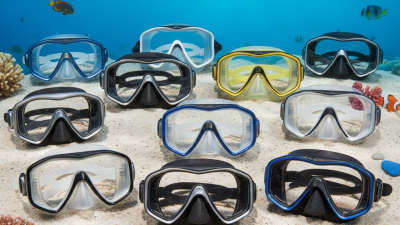
Next, look for visibility options. Masks come with various lens shapes and materials. A wide field of vision enhances underwater exploration. Consider a tempered glass lens for durability and clarity. Additionally, anti-fog features can help you see better. Nobody enjoys foggy lenses obscuring their view.
Strap quality is another significant aspect. Adjustable straps ensure the mask stays in place. Weak straps can lead to leaks. Check for easy mechanisms that allow one-handed adjustments. Lastly, pay attention to the skirt material. Silicone skirts are often more comfortable and provide a better seal. Remember, these features can make or break your snorkeling adventure.
How to Determine the Right Fit for Your Face Shape
Choosing the right snorkel mask is crucial for a great underwater experience. The fit of the mask directly affects both comfort and visibility. Start by examining your face shape. Different shapes require masks with varying designs, so understanding your unique features is essential.
For a proper fit, try on multiple masks. Press the mask against your face without using the strap. If it stays on for a few seconds, that's a good sign. Pay attention to pressure points. If you feel any discomfort, keep searching. A mask that pinches or slides off will ruin your dive.
Lastly, consider the seal around your face. A well-fitted mask should create a gentle seal without excessive pressure. If it's too tight, it can lead to headaches. If too loose, water will seep in. Take your time and reflect on each mask you try. A perfect fit enhances your snorkeling experience, letting you focus on the beauty of the underwater world.
Bar Chart: Snorkel Mask Fit Preferences Based on Face Shape
Materials and Durability: Choosing the Best Snorkel Mask
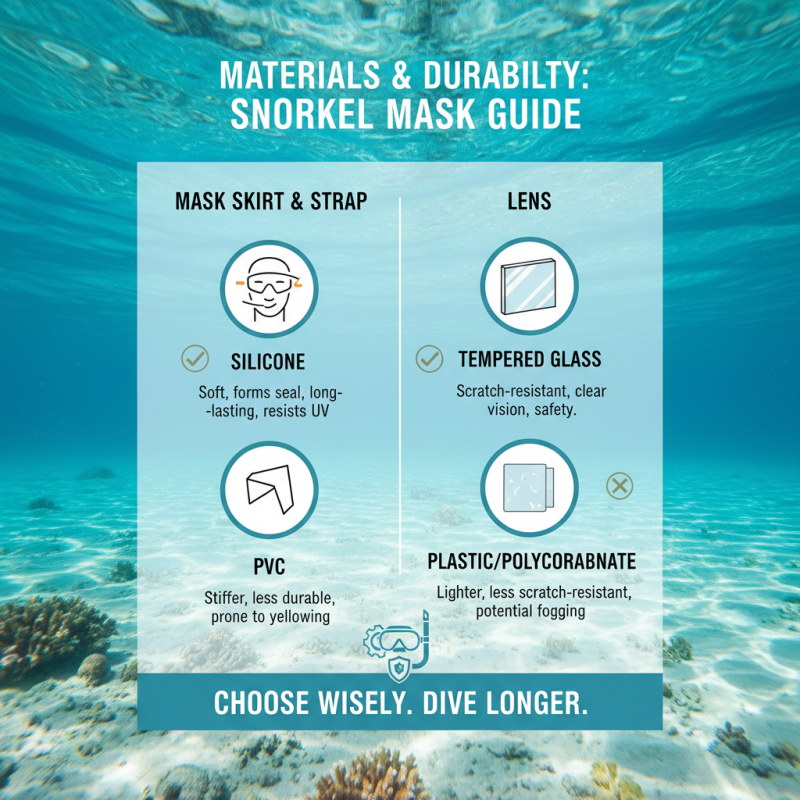
When choosing a snorkel mask, materials and durability are key factors. Silicone is commonly used for the skirt because it offers flexibility and comfort. It molds to the face, creating a watertight seal. According to a report from the Snorkeling Equipment Association, masks made of high-quality silicone can last up to five years with proper care. However, not all silicone is created equal. Some cheaper masks might use lower-grade materials, leading to leaks or discomfort.
Polycarbonate lenses are another important feature. They are impact-resistant and provide clarity underwater. A study found that 70% of snorkelers prefer masks with tempered glass lenses for their scratch resistance. While they may be pricier, they offer better longevity and performance. Avoid masks with plastic lenses, as they typically degrade faster.
Tips: Always check for the mask's certification. Look for labels indicating UV protection or FDA approval. This ensures safety during use. Regularly inspect your mask for tears or distorted lenses. Small issues can compromise your experience. A well-maintained mask enhances enjoyment and safety.
Budget Considerations: How Much Should You Spend on a Snorkel Mask?
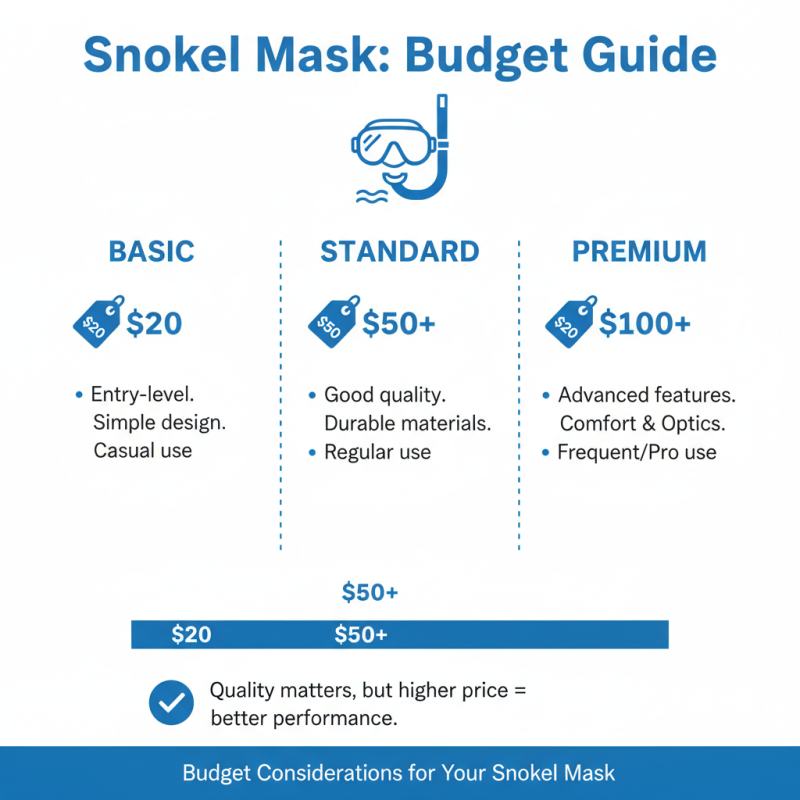
When selecting a snorkel mask, budget plays a crucial role. The range of prices can be vast. A low-end mask may cost around $20, while premium options can exceed $100. Quality is essential, but price does not always equal performance.
Consider what you need. If you plan to snorkel occasionally, an affordable option might suffice. However, if you snorkel frequently, investing in a higher-end model is wise. Check material quality, comfort, and fit. Masks with tempered glass lenses often offer better durability than cheaper plastic. Your safety depends on this choice.
It's easy to be tempted by low prices. Yet, low-cost masks might not seal well, causing leaks and discomfort. Think about your experience level too. Beginners might opt for something basic. More experienced snorkelers may need features like a dry-top system. Reflect on your own needs. Aim for balance between cost and quality for the best experience.