How to Choose the Right Scuba Diving Equipment for Your Adventure?
Choosing the right scuba diving equipment can make or break your underwater adventure. The variety of gear available is astounding. From wetsuits to fins, each item serves a unique purpose. Understanding their roles is essential. The wrong choice may lead to discomfort or safety issues.
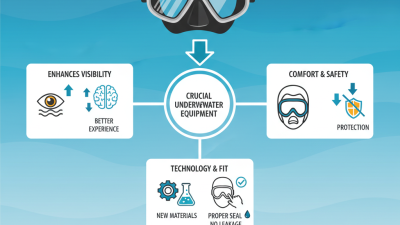
When selecting scuba diving equipment, consider your experience level and the dive conditions. Beginners may need simpler gear. Experienced divers might seek more advanced options. Personal comfort is also key. A well-fitted mask enhances visibility. An ill-fitting one may feel uncomfortable after a few minutes.
This journey isn’t just about picking gear. It involves knowing what works for you. Reflect on your past dives. What did you love or dislike? Each choice is a step toward a more enjoyable experience. Invest time in research. A thoughtful selection can lead to unforgettable underwater memories.
Understanding the Types of Scuba Diving Equipment Available
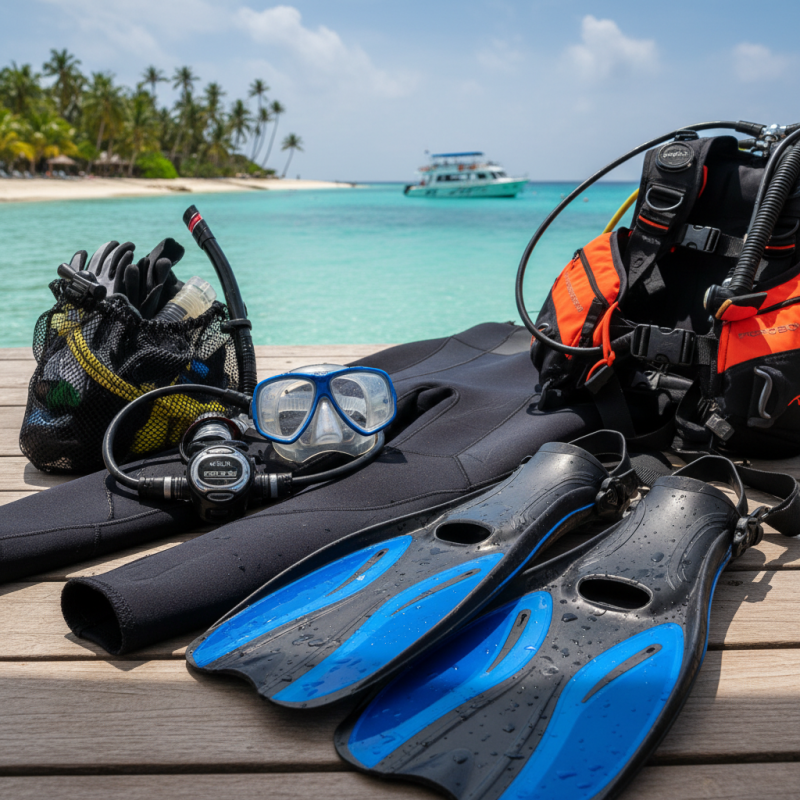
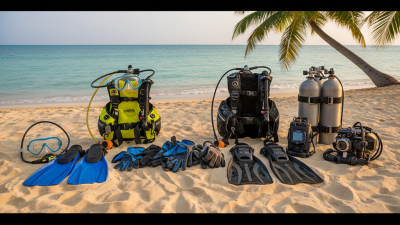
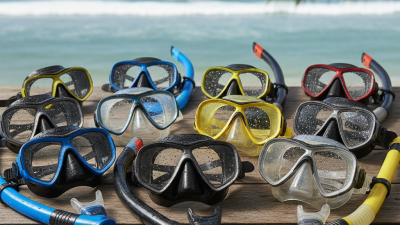
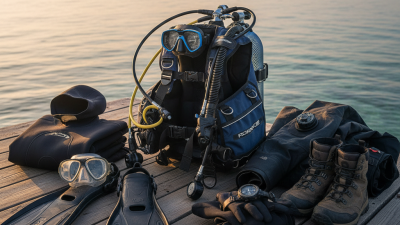
When choosing scuba diving equipment, understanding the types available is crucial. The basic gear includes a mask, fins, and snorkel. These items enhance visibility and mobility underwater. A well-fitting mask creates a tight seal. Fins should match your swimming style, whether it’s free diving or scuba diving.
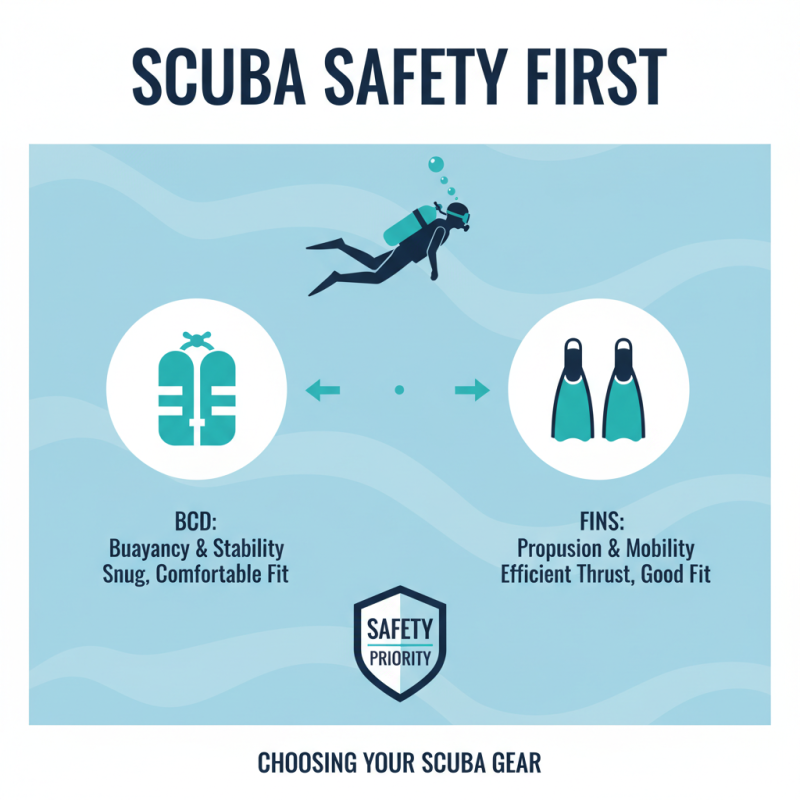
Another essential category is the buoyancy control device (BCD). A BCD helps divers maintain their position in the water. It’s important to pick the right size for optimal comfort. A poorly fitting BCD can be uncomfortable and stressful. The tank is also critical; choose a size based on your dive duration. Don’t forget about the regulator, providing breathable air at various depths. A malfunctioning regulator can create panic.
Wetsuits and drysuits protect against cold water. They also affect your buoyancy; proper fit and insulation are key factors. Test different types to see what works best for you. The choice of equipment depends on personal preference and dive conditions. Reflect on your needs carefully to avoid disappointment.
Scuba Diving Equipment Types and Popularity
Key Factors to Consider When Choosing Scuba Diving Gear
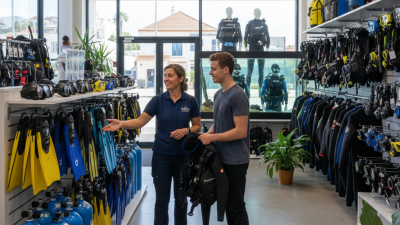
Choosing the right scuba diving equipment is essential for your underwater adventure. One significant factor is fit. Ill-fitting gear can lead to discomfort and safety risks. For example, a wetsuit should be snug but not restrictive. Test it in a shop before buying.
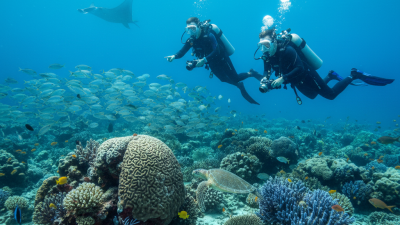
Another factor is the type of diving you plan to do. Are you exploring coral reefs or deep-sea diving? Different environments require different gear. A diving mask with a wide view helps during reef diving. In colder waters, dry suits may be necessary. Think about where you'll dive most often.
Remember to consider your experience level. Beginners might not need advanced gear that professionals use. Sometimes, less is more. Reflect on what you truly need versus what looks appealing. Choosing equipment can be overwhelming. Take your time to evaluate your options and seek advice from experienced divers.
Tips for Maintaining Your Scuba Diving Equipment
Maintaining scuba diving equipment is crucial for safety and performance. According to industry reports, up to 70% of equipment failures result from improper maintenance. Regular checks can prevent costly accidents during dives. Inspect your gear before and after each trip. Pay attention to hoses, valves, and connections. A small crack can lead to serious issues underwater.
Rinsing your gear in fresh water after each dive is essential. Saltwater can cause corrosion. This practice enhances durability and longevity. Additionally, storing equipment in a cool, dry place is wise. Avoid exposure to direct sunlight. This can lead to degradation of materials over time.
Don’t forget to replace parts as needed. Regulators and tanks should be serviced annually by professionals. Skipping this step can be risky. Remember, even minor issues like degraded o-rings can cause leaks. Stay proactive about maintenance to ensure enjoyable and safe diving adventures. Regular maintenance is not just a duty; it is a necessity.
Budgeting for Your Scuba Diving Gear and Accessories
Budgeting for scuba diving gear is crucial for every diver. A report by PADI indicates that the average scuba diver spends around $1,000 on personal equipment. This figure can escalate if accessories are included. Masks, fins, and snorkels are essential items. A decent mask can cost between $50 and $150. Fins often range from $70 to $200. Investing in quality gear enhances safety and comfort during dives.
Accessories like dive computers and wetsuits can add significantly to costs. A reliable dive computer may range from $200 to $1,000. Wetsuits, depending on thickness and material, can vary between $100 and $500. Many divers overlook these expenses. It's easy to underestimate costs and overextend budgets. Research shows that divers who plan their spending carefully tend to enjoy diving more.
Balancing quality and cost is essential. While cheaper gear may save money upfront, it may not perform well. Additionally, poor-quality equipment can lead to discomfort underwater. Take time to read reviews. Seek advice from experienced divers. Consider buying second-hand gear to cut costs. Ultimately, ensuring you have the right equipment creates a better diving experience. Remember, it’s not just about diving; it’s about enjoyment and safety.
How to Choose the Right Scuba Diving Equipment for Your Adventure? - Budgeting for Your Scuba Diving Gear and Accessories
| Equipment Type |
Average Price Range |
Essential Features |
Recommended Budget |
| Mask and Snorkel |
$30 - $100 |
Fit, visibility, anti-fog |
$50 |
| Wetsuit |
$100 - $400 |
Thickness, flexibility, thermal protection |
$200 |
| BCD (Buoyancy Control Device) |
$200 - $600 |
Comfort, lift capacity, adjustable straps |
$400 |
| Regulator |
$100 - $1000 |
Breathing ease, reliability, performance ratings |
$300 |
| Dive Computer |
$150 - $1000 |
Data display, features (navigational, air consumption) |
$250 |