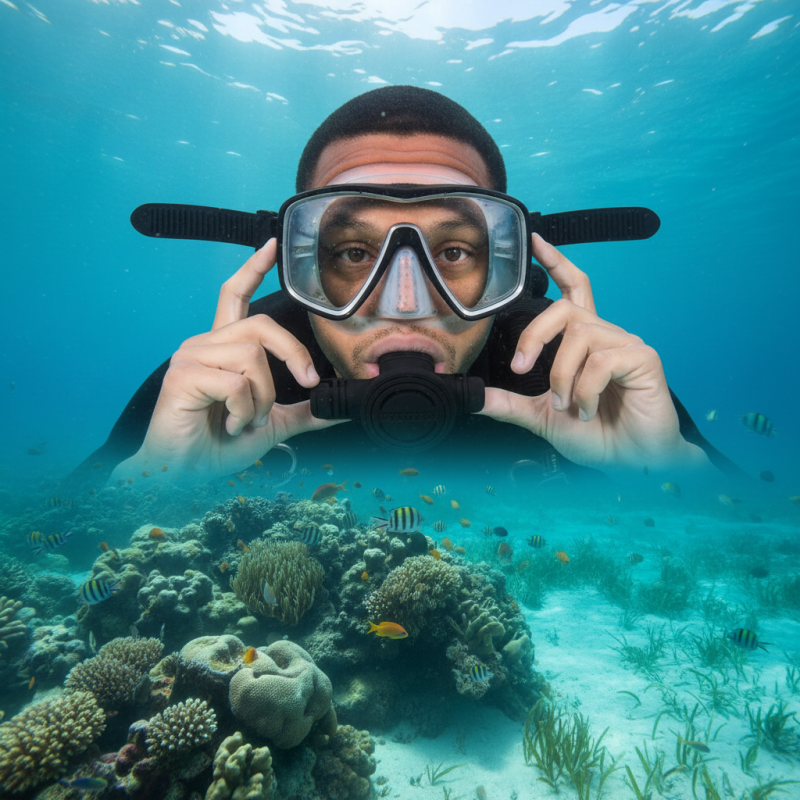
How to Choose the Right Diving Mask for Your Needs?
Choosing the right diving mask can make or break your underwater experience. According to the Scuba Industry Association, an estimated 30% of divers struggle with improper mask fitting. A well-fitted diving mask not only enhances visibility but also increases comfort during dives. Additionally, varying face shapes and sizes mean that one mask doesn’t fit all.
Many divers overlook the importance of lens type. Clear vs. tinted lenses can affect how colors appear underwater. Research shows that the choice of lens impacts visibility in different depths. Furthermore, even the smallest leaks can lead to discomfort and hinder the diving experience. It’s crucial to consider features like skirt material and strap design, as well.
Many divers regret not investing in a high-quality diving mask. A poor choice can lead to a lackluster dive, excessive fogging, and even anxiety. Choosing wisely requires time and research. Divers should try masks on before purchase. Prioritizing personal comfort and fit is essential for an enjoyable underwater adventure.
Understanding Different Types of Diving Masks Available in the Market
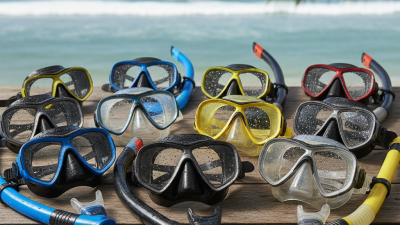
When choosing a diving mask, understanding the types available is crucial. A standard mask covers the eyes and nose. It is great for recreational divers. However, there are also full-face masks. These provide an excellent field of vision and protect the entire face. They are ideal for colder waters but may feel bulky for some.
Another option is a low-volume mask. These are compact and easy to clear of water. They fit closely to the face and reduce the amount of air needed for equalization. While they may provide a better fit, not everyone finds them comfortable. It’s important to try on different styles before making a decision.
Some divers prefer masks with corrective lenses. This option can greatly enhance visibility underwater. However, it requires special ordering and can become expensive. Consider your diving frequency and budget. Remember, the right mask should feel comfortable and allow you to enjoy your underwater adventures fully. Avoid rushing the choice, as a poor fit can lead to frustration.
How to Choose the Right Diving Mask for Your Needs?
| Mask Type |
Best For |
Features |
Price Range |
| Standard Mask |
Beginners |
Single lens, basic fit |
$30 - $70 |
| Full Face Mask |
Snorkeling, Advanced |
Eliminates jaw fatigue, easy breathing |
$80 - $150 |
| Low-Volume Mask |
Freediving |
Compact design, better equalization |
$50 - $120 |
| Prescription Mask |
Divers with vision correction needs |
Custom lenses, enhanced clarity |
$100 - $200 |
| Diving Goggles |
Casual water activities |
Lightweight, versatile |
$15 - $40 |
Key Features to Consider When Selecting a Diving Mask
Choosing the right diving mask can enhance your underwater experience. Key features should guide your decision. Start with fit. A snug fit prevents leaks. Try different masks to find what feels right. Remember, everyone's face is unique.
Lens type is another consideration. You can choose between tempered glass and plastic. Tempered glass tends to be more durable. However, it’s also heavier. Think about your needs. What type of diving are you doing? This factor can affect your comfort level.
The strap must also be adjustable. A properly fitted strap helps keep the mask in place. Skills develop over time. Don't be afraid to adjust your choice based on experience. A mask that felt comfortable during your last dive may not be ideal now. Reflections on these aspects can improve your overall diving journey.
How to Choose the Right Diving Mask for Your Needs?
This chart illustrates the importance level of various key features to consider when selecting a diving mask. The features include visibility, comfort, durability, price, fit, and lens type, rated on a scale from 1 to 10 based on their significance for users.
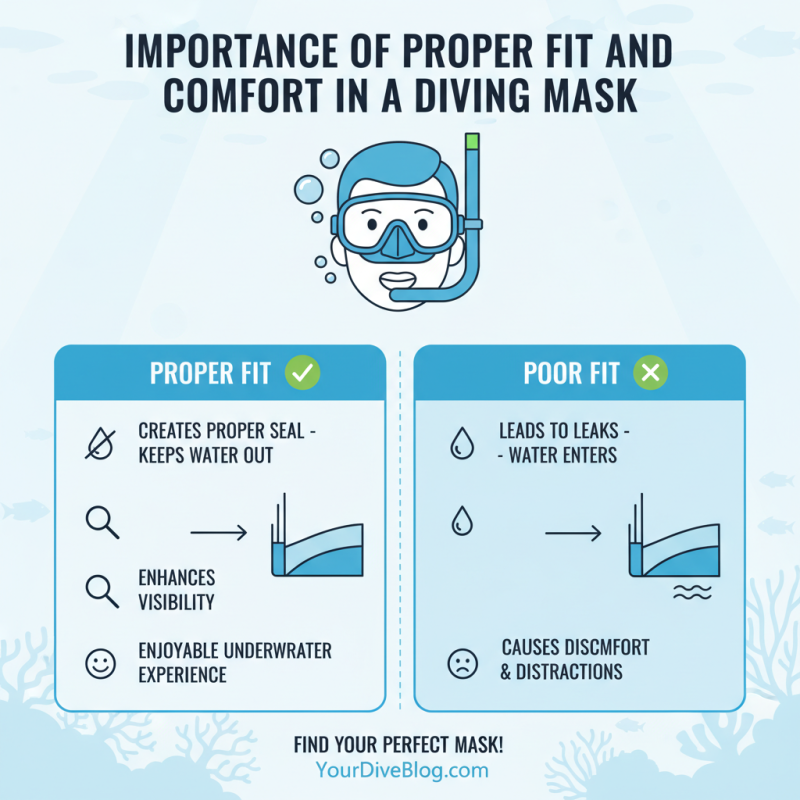
Importance of Proper Fit and Comfort in a Diving Mask
Finding the right diving mask is crucial for an enjoyable underwater experience. Comfort and fit are key factors to consider. A well-fitting mask creates a proper seal, keeps water out, and enhances visibility. If a mask doesn’t fit, it can cause discomfort. This may lead to distractions underwater.
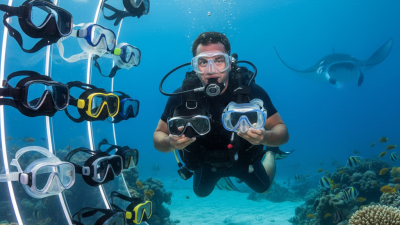
When trying on a mask, ensure it fits snugly. Place it on your face without straps and inhale gently. If it stays in place, it’s a good sign. Check the skirt’s material for softness. A softer skirt typically provides a better seal. Beware of overly tight masks that may hurt your face.
Tips: Consider trying multiple styles. Different designs can fit various face shapes. Take your time to find what feels best. Remember, even small adjustments can make a significant difference. Don't overlook the importance of comfort; it can dramatically impact your diving experience.
Lens Options: Single vs. Dual Lenses and Their Benefits
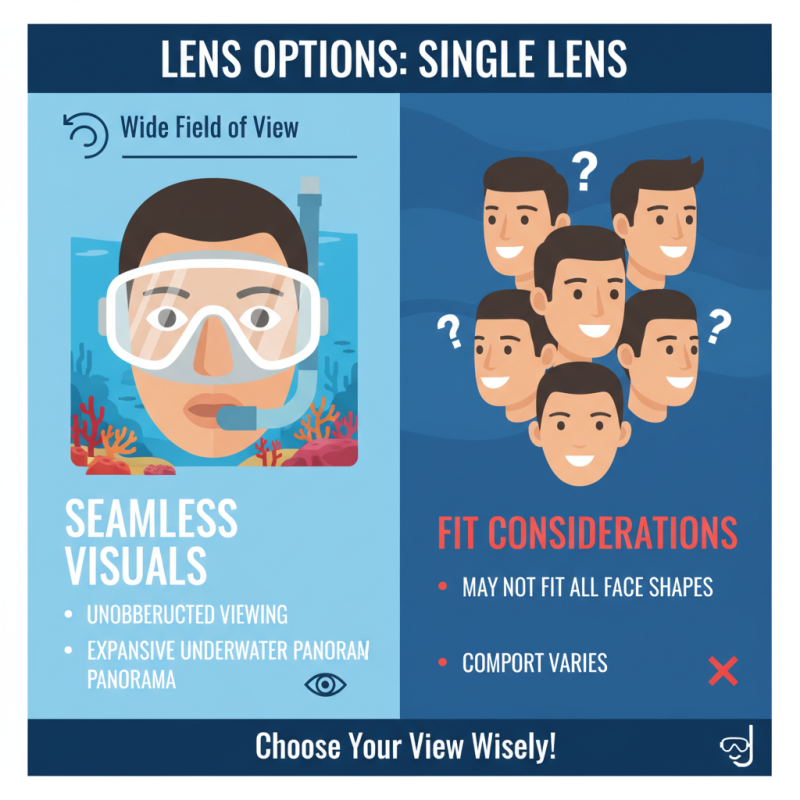
When choosing a diving mask, lens options play a crucial role. Single lens masks provide a wide field of view. They create a seamless visual experience, allowing divers to see more without obstruction. However, they may not fit everyone perfectly. Those with specific facial shapes might struggle to find a comfortable fit.
Dual lens masks, on the other hand, offer flexibility in adjustments. They facilitate a better fit for diverse face shapes. Each lens can have different prescriptions, catering to vision needs. This option is beneficial for those who require corrective lenses while diving. But it can limit peripheral vision more than a single lens.
Ultimately, personal preferences should guide the choice. Some prefer the expansive view of single lenses. Others appreciate the customizability of dual lenses. It’s essential to test both types. Comfort and vision quality should be priorities. A mask that feels right enhances the diving experience, leading to more enjoyable underwater adventures.
Maintenance Tips for Prolonging the Life of Your Diving Mask
Taking care of your diving mask is crucial for longevity. Start by rinsing it with fresh water after each dive. Saltwater can cause damage if left untreated.
A gentle scrub with a soft cloth can help remove stubborn residues. Make sure to check for any scratches or tears regularly. A small tear can grow if ignored.
Store your mask properly when not in use. Avoid leaving it in direct sunlight or inside a hot car. These conditions can warp the silicone parts. Consider using a protective case for storage.
It might seem unnecessary, but it can save you from costly replacements.
Always inspect the strap and buckles. A frayed strap can be a nuisance during your dive. Replace it before it becomes an issue. Additionally, don’t forget to periodically clean the lens with proper solutions.
This helps maintain visibility underwater. You might feel tempted to skip this, but clarity is vital.