What is the Best Scuba Mask and Snorkel for Clear Underwater Vision?
When it comes to exploring the vibrant underwater world, having the right equipment is essential for both safety and performance. One of the key elements that can significantly enhance your diving experience is the choice of a high-quality scuba mask and snorkel. According to industry reports, the global demand for scuba diving gear has seen a steady rise, projected to reach over $2 billion by 2025, with masks and snorkels being a crucial part of this market. This growing interest highlights the importance of selecting the best options available to ensure crystal-clear vision and comfort beneath the waves.
A well-designed scuba mask and snorkel not only improve visibility but also play a vital role in the overall enjoyment of underwater activities. Research from diving associations emphasizes that inadequate visibility can lead to disorienting experiences and even safety hazards, particularly for beginners. As divers increasingly seek immersive encounters with marine life, the right gear can make all the difference in optimizing their underwater exploration. From the fit and seal of the mask to the design of the snorkel, understanding the features that contribute to superior performance is essential for anyone looking to invest in this equipment.
Types of Scuba Masks: Choosing the Right Style for Your Needs
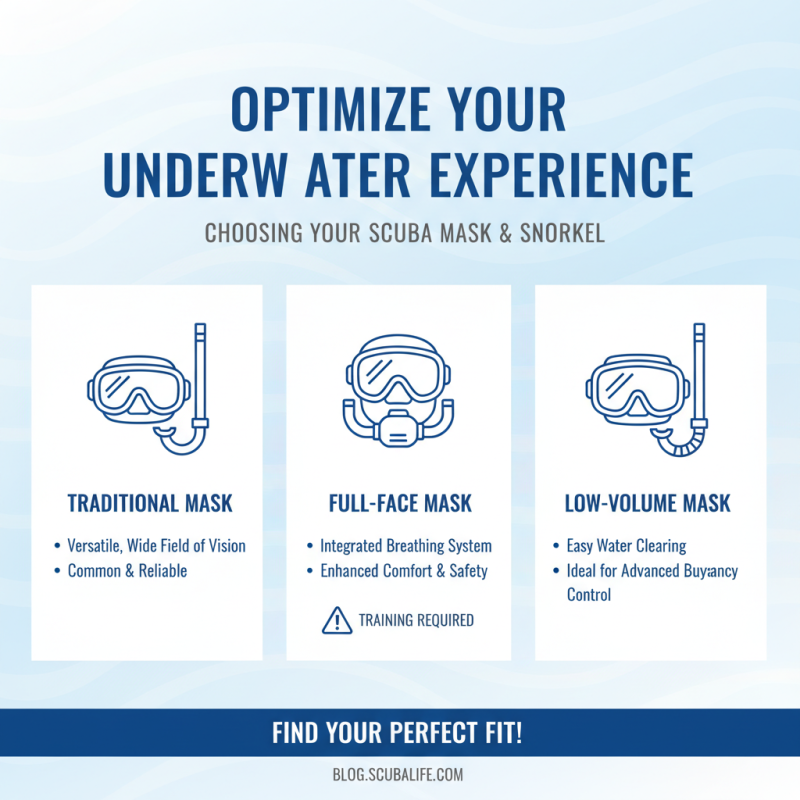
When selecting a scuba mask and snorkel, understanding the different types of scuba masks available is crucial to optimizing your underwater experience. The most common types include traditional masks, full-face masks, and low-volume masks. Traditional masks are versatile and offer a wide field of vision, while full-face masks provide an integrated breathing system that can enhance comfort and safety. Low-volume masks are designed for ease of clearing water and better fit, making them ideal for advanced divers who prioritize buoyancy control.
According to a report by the Scuba Industry Association, the right mask can significantly impact visibility underwater. Masks that fit properly reduce the risk of fogging and water leakage, which are common frustrations for snorkelers and divers alike. Additionally, research shows that utilizing masks with tempered glass lenses increases durability and clarity, allowing divers to fully appreciate the vibrant marine life. When upgrading your gear, considering factors such as lens technology, fit, and intended use will lead to a more enjoyable underwater adventure.
Key Features to Look for in a Quality Scuba Mask
When selecting a scuba mask and snorkel for optimal underwater vision, there are several key features to consider. A high-quality lens is paramount; tempered glass is recommended for its durability and clarity. According to a report by the Scuba Industry Association, masks with double lenses allow for better peripheral vision, which enhances the overall underwater experience. Additionally, anti-fog coatings are essential for maintaining clear visibility during dives, helping to reduce the frequent interruptions caused by fogging.
The fit and comfort of the mask also cannot be overlooked. A properly fitting mask creates a watertight seal, which is crucial for preventing leaks and ensuring comfort. Industry research indicates that masks with adjustable straps and silicone skirts offer better adaptability to various face shapes, improving both comfort and functionality. Furthermore, the weight of the snorkel is an important consideration; lightweight designs reduce strain while swimming. By focusing on these key features, divers can significantly enhance their underwater vision and overall enjoyment of the aquatic environment.
Understanding Snorkel Design for Optimal Breathing and Comfort
When choosing a snorkel, understanding its design is crucial for achieving optimal breathing and comfort. A well-designed snorkel should feature a comfortable mouthpiece that allows for extended use without causing fatigue. Look for models that include a splash guard at the top, which helps prevent water from entering the snorkel when waves are present. Additionally, a dry top snorkel is beneficial for preventing water from splashing in, ensuring a drier breathing experience.
Tips: When selecting a snorkel, ensure it fits securely in your mouth but does not cause discomfort. Take the time to try on different styles at your local dive shop. If you are prone to jaw fatigue, consider purchasing a snorkel with a flexible or adjustable mouthpiece to enhance comfort during longer snorkeling sessions.
Moreover, a snorkel with a purge valve can make drainage easier in case water does enter. This feature allows you to clear the snorkel quickly by simply exhaling, making your underwater experience more fluid and less stressful. Remember to practice using your snorkel in a controlled environment to become familiar with its functions before heading into open water.
How to Ensure a Proper Fit for Your Scuba Mask and Snorkel
When selecting a scuba mask and snorkel, ensuring a proper fit is crucial for achieving clear underwater vision. A mask that fits well should create a reliable seal around your face, preventing water from entering. Start by trying on different masks to find one that fits snugly but comfortably, without excessive pressure on your forehead or nose. Look for adjustable straps to secure the mask tightly against your face, and ensure that the skirt of the mask conforms well to your facial contours.
Additionally, considering the type of snorkel is important for overall performance. A snorkel with a comfortable mouthpiece and a secure attachment to the mask can enhance your experience in the water. Pay attention to features like a purge valve for easy clearing of water and a splash guard to minimize water entry while above the surface. Choosing the right combination of a well-fitted mask and an effective snorkel will not only maximize your underwater visibility but also provide a more enjoyable and stress-free snorkeling experience.
Tips for Maintenance and Care of Your Scuba Gear for Longevity
Maintaining scuba gear, particularly masks and snorkels, is crucial for ensuring clear underwater vision and extending the life of the equipment. Regular cleaning after each dive is essential to remove salt, sand, and grime that may accumulate. Using fresh water to rinse the gear can prevent premature wear and maintain visibility by keeping the lenses clear. It's also important to store your equipment properly—avoid exposure to direct sunlight or extreme temperatures, which can degrade the materials over time.
Additionally, just as some brands incorporate repair programs to enhance customer loyalty, divers can benefit from simple repairs instead of outright replacement. For example, replacing a damaged strap or sealing a small tear in a mask can be more sustainable and economical. Being proactive about maintenance, such as inspecting for cracks or wear in the silicone, can help divers enjoy safer and clearer underwater experiences while contributing to a longer lifecycle for their gear.
Scuba Mask and Snorkel Visibility Ratings